Oh my . emergent phenomenon
Videoperformance
2025
4K, 8,56 Min
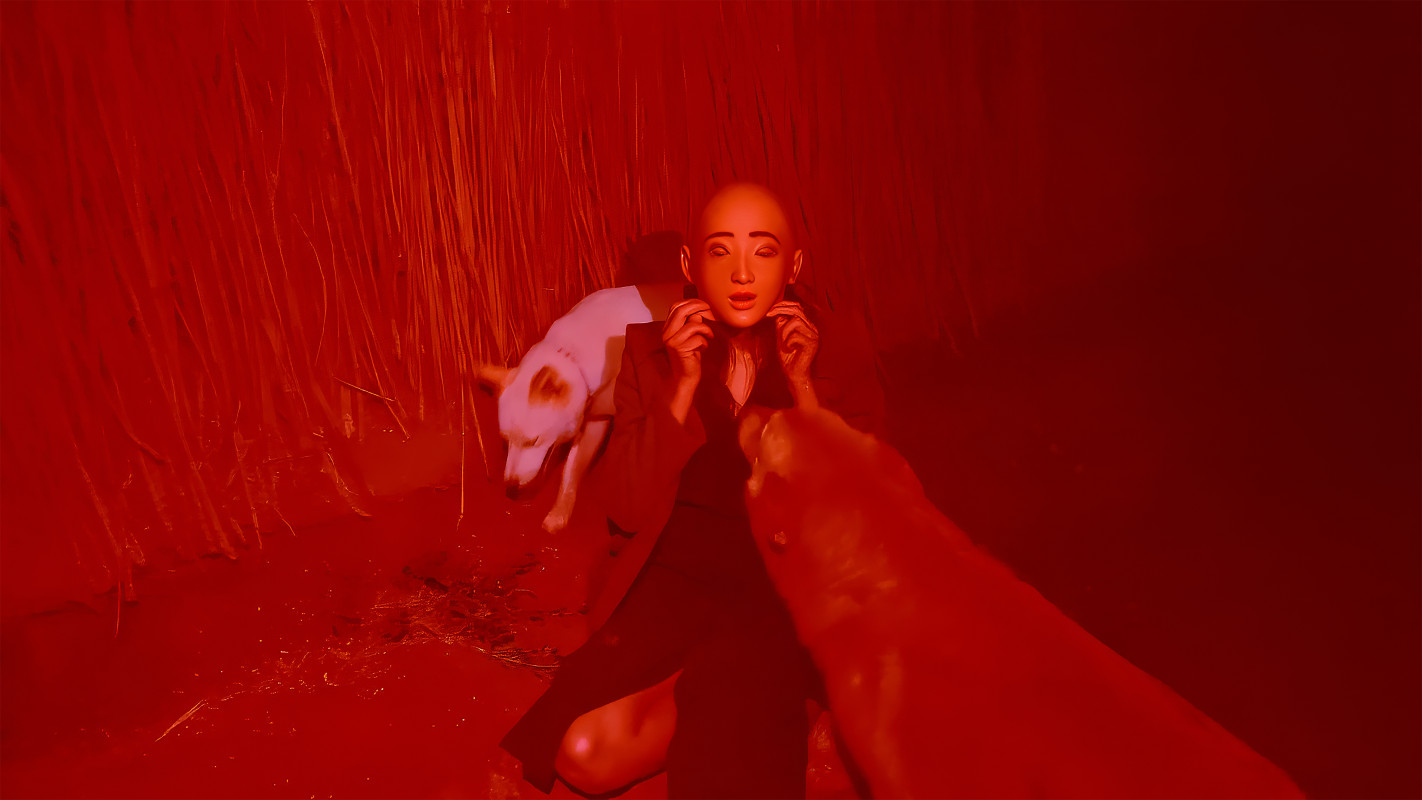
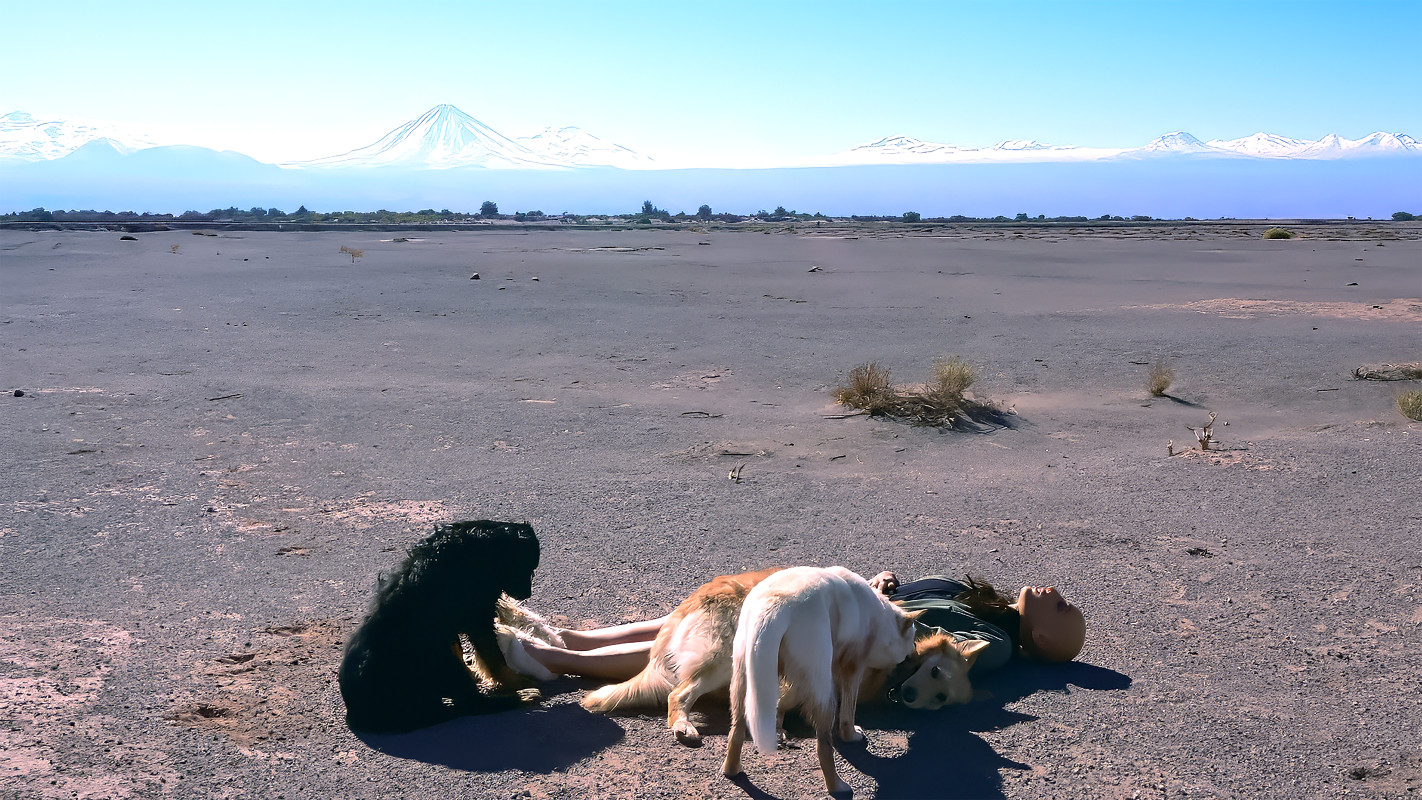
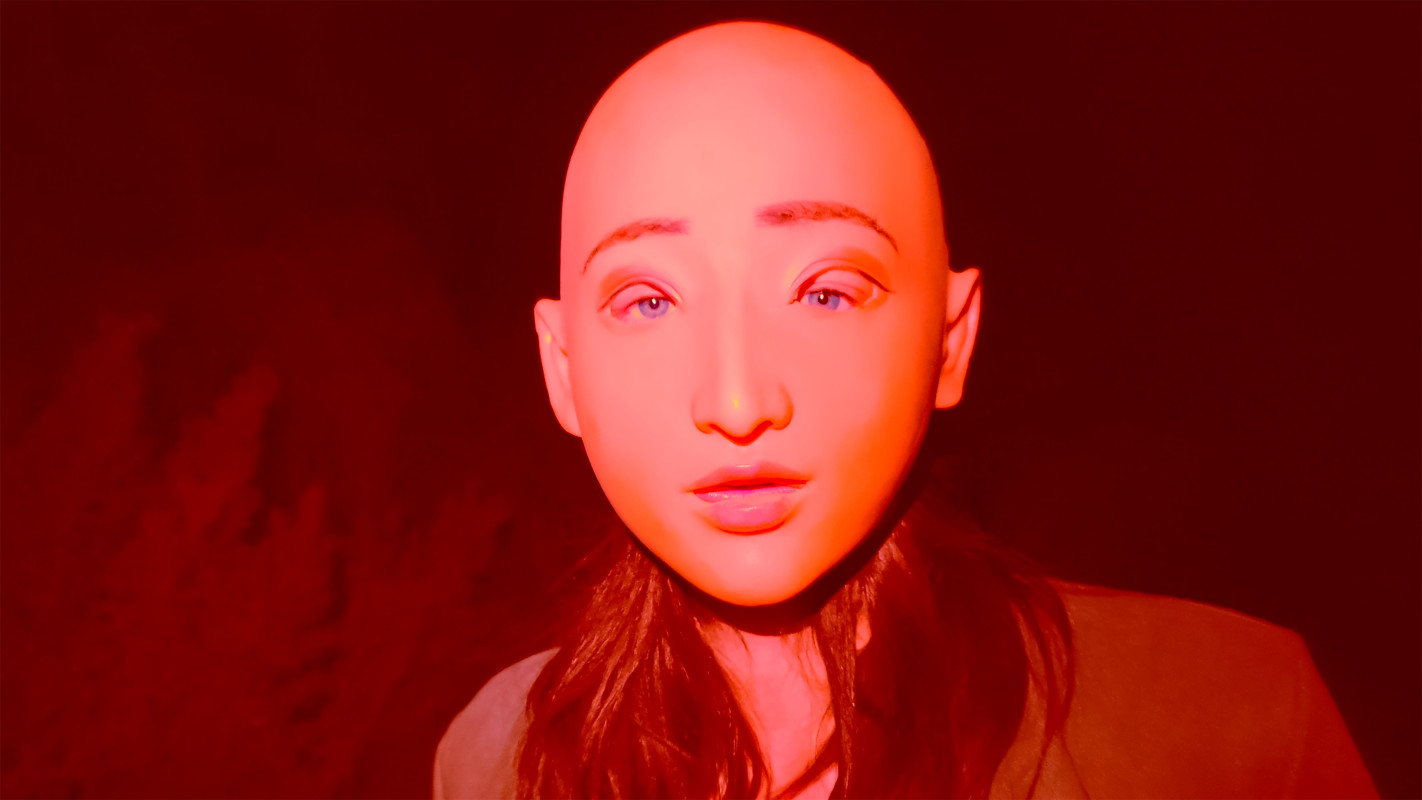
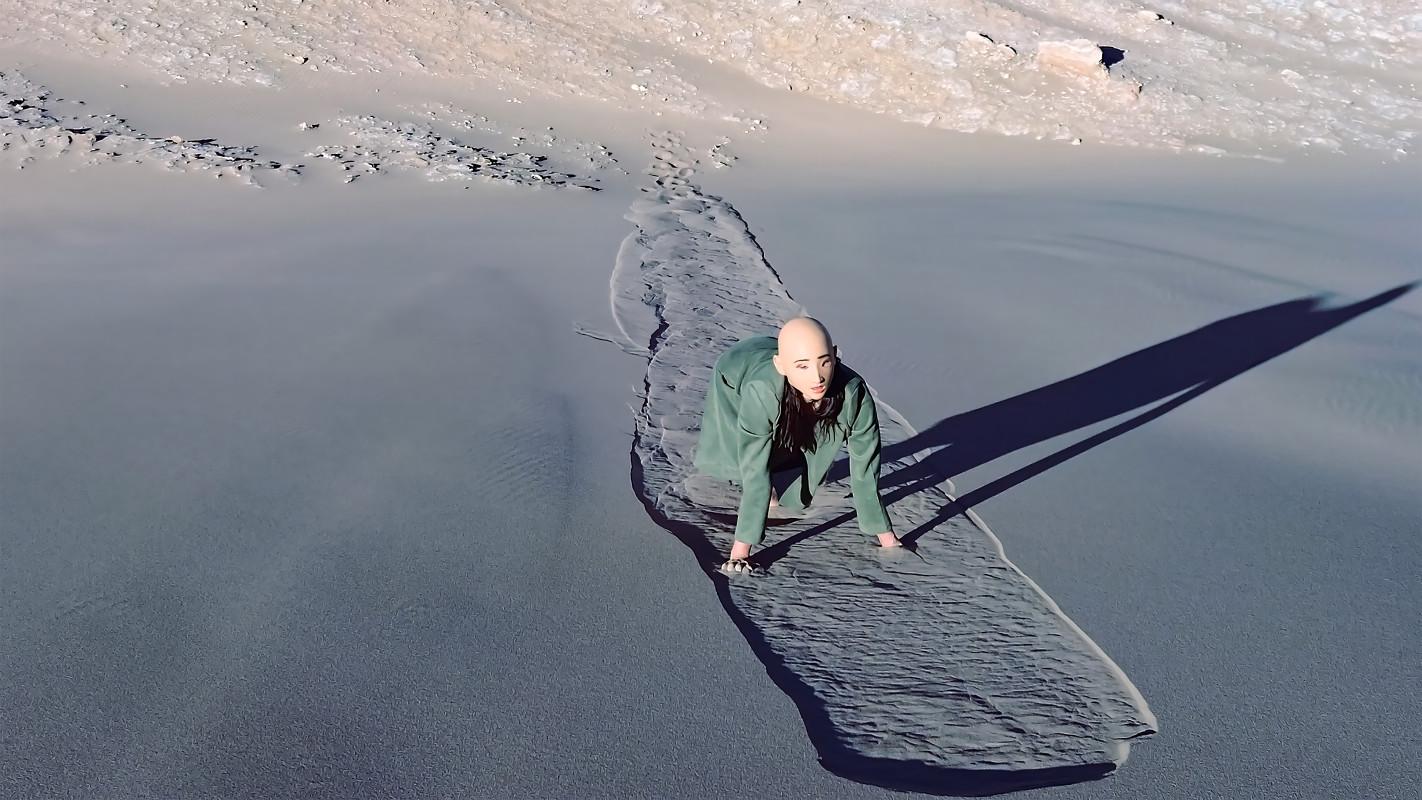
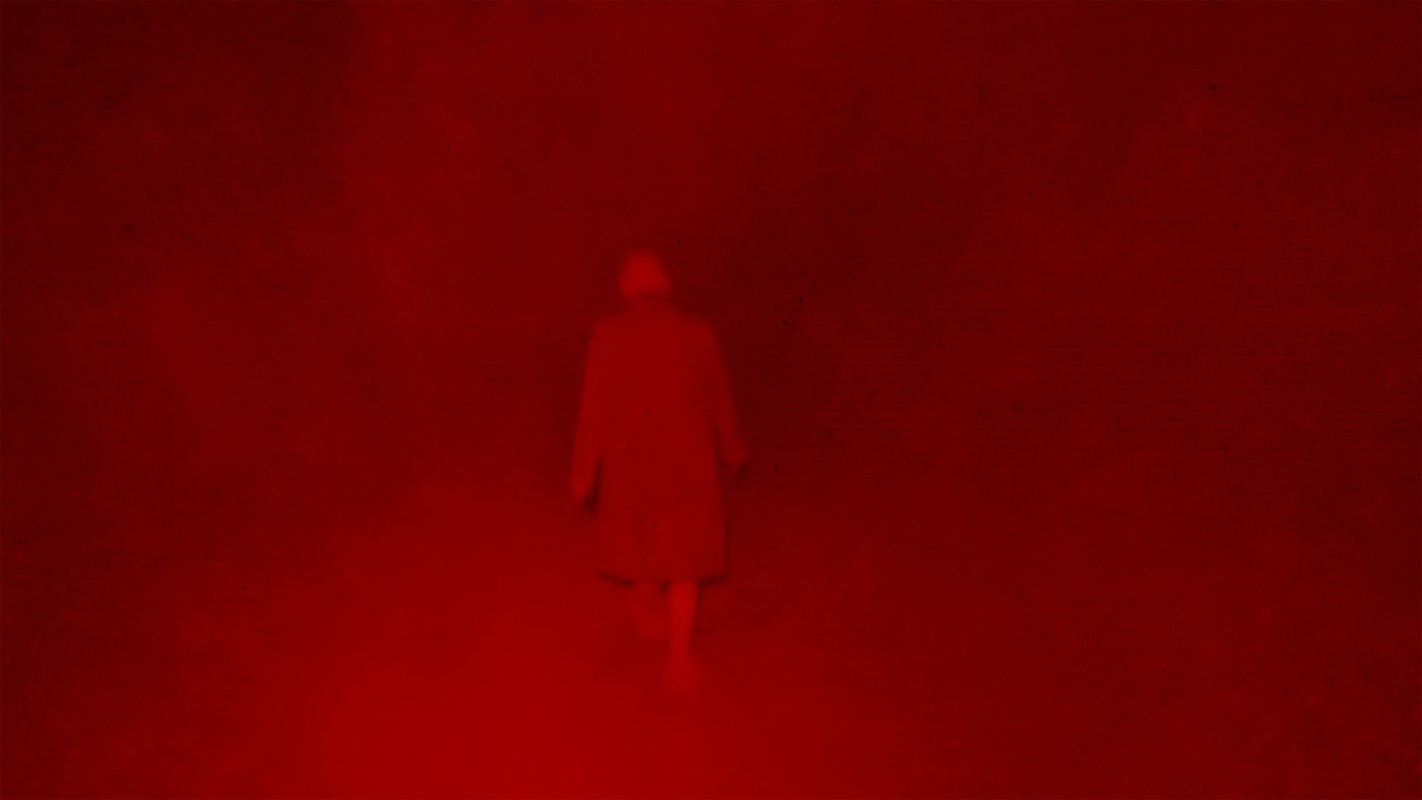
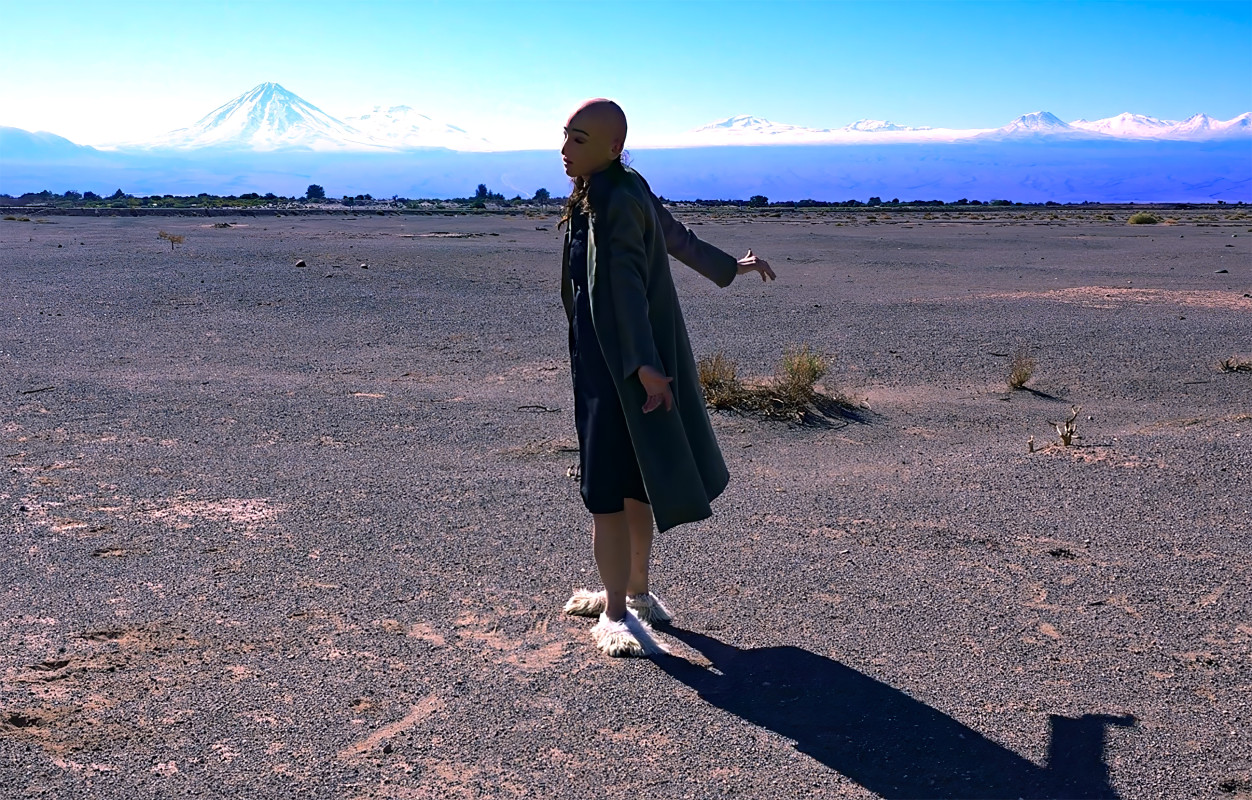
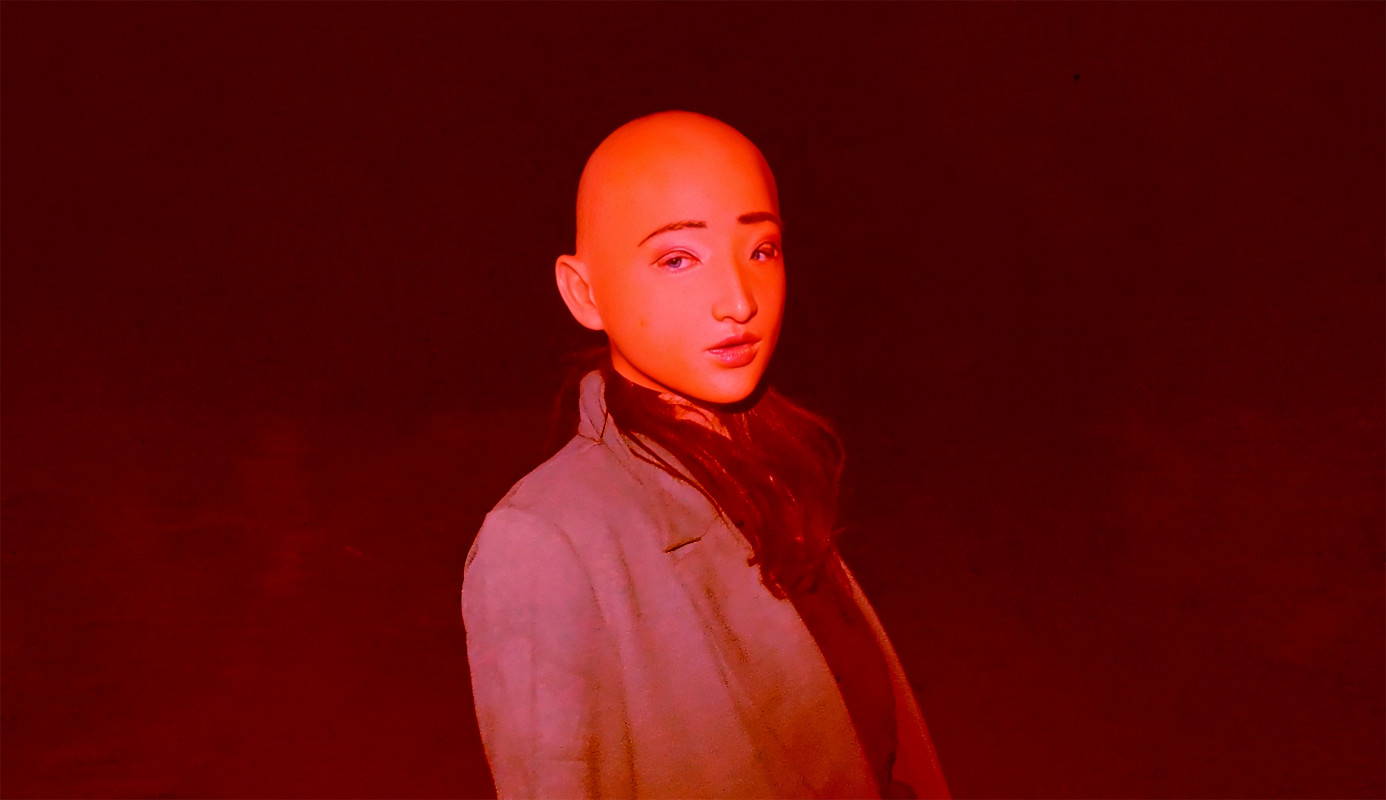
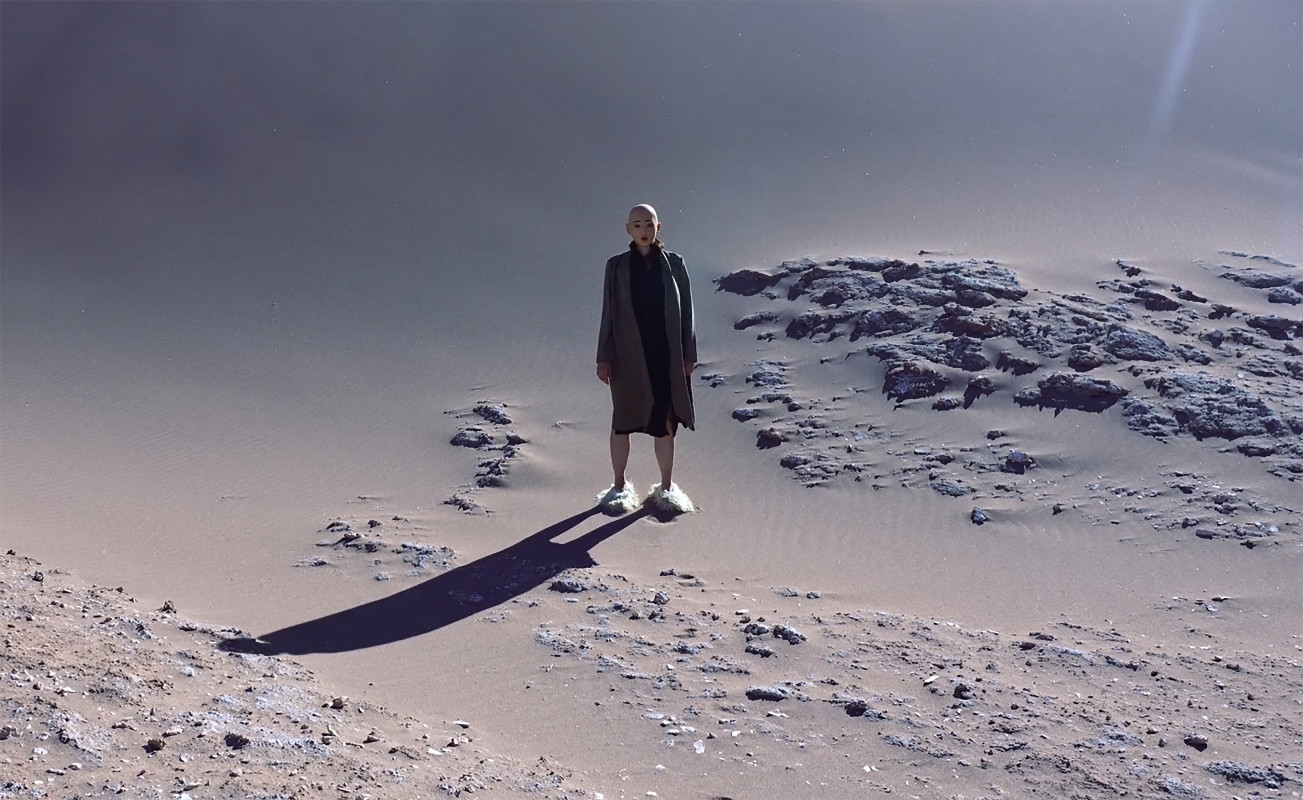
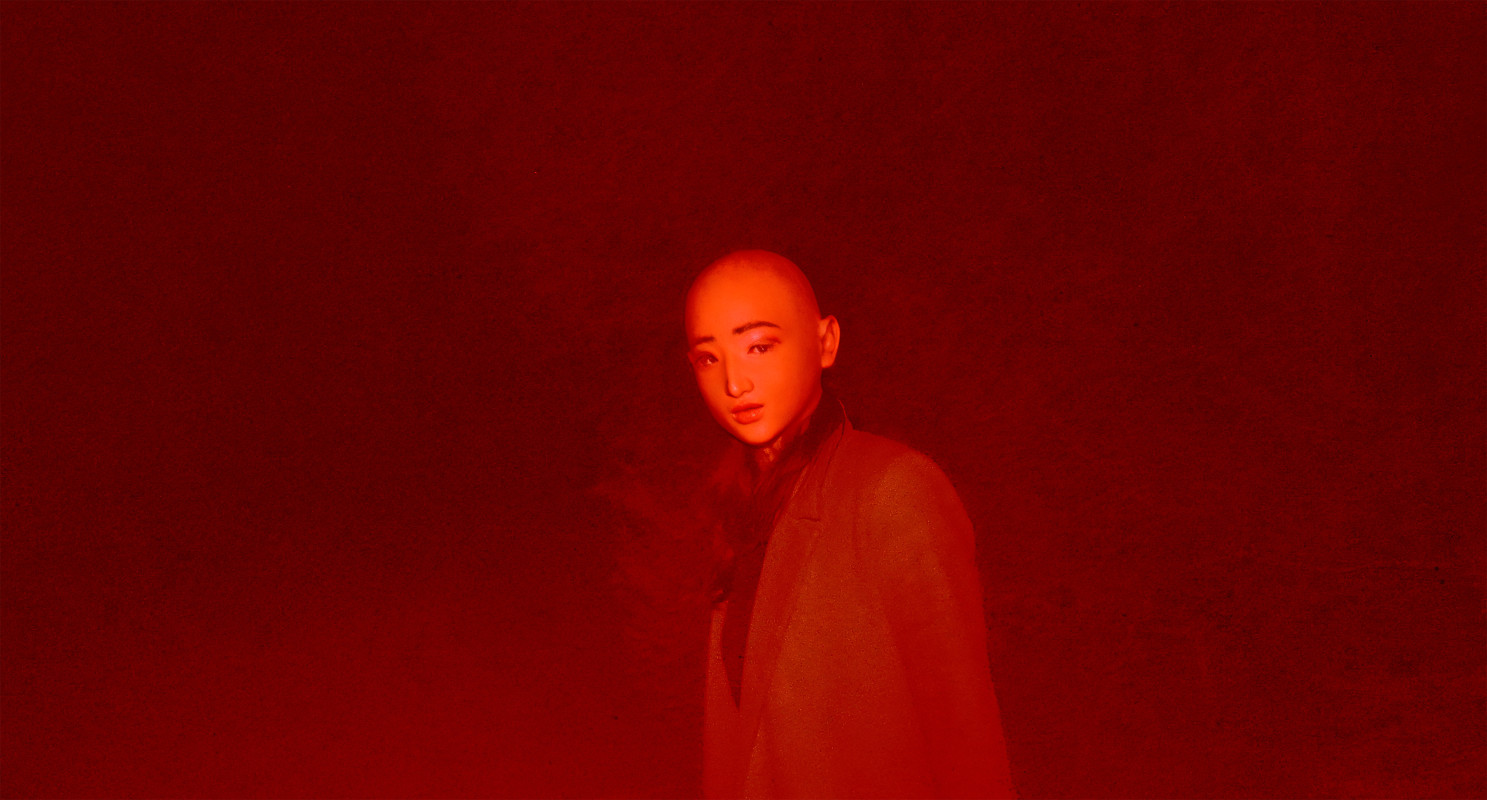
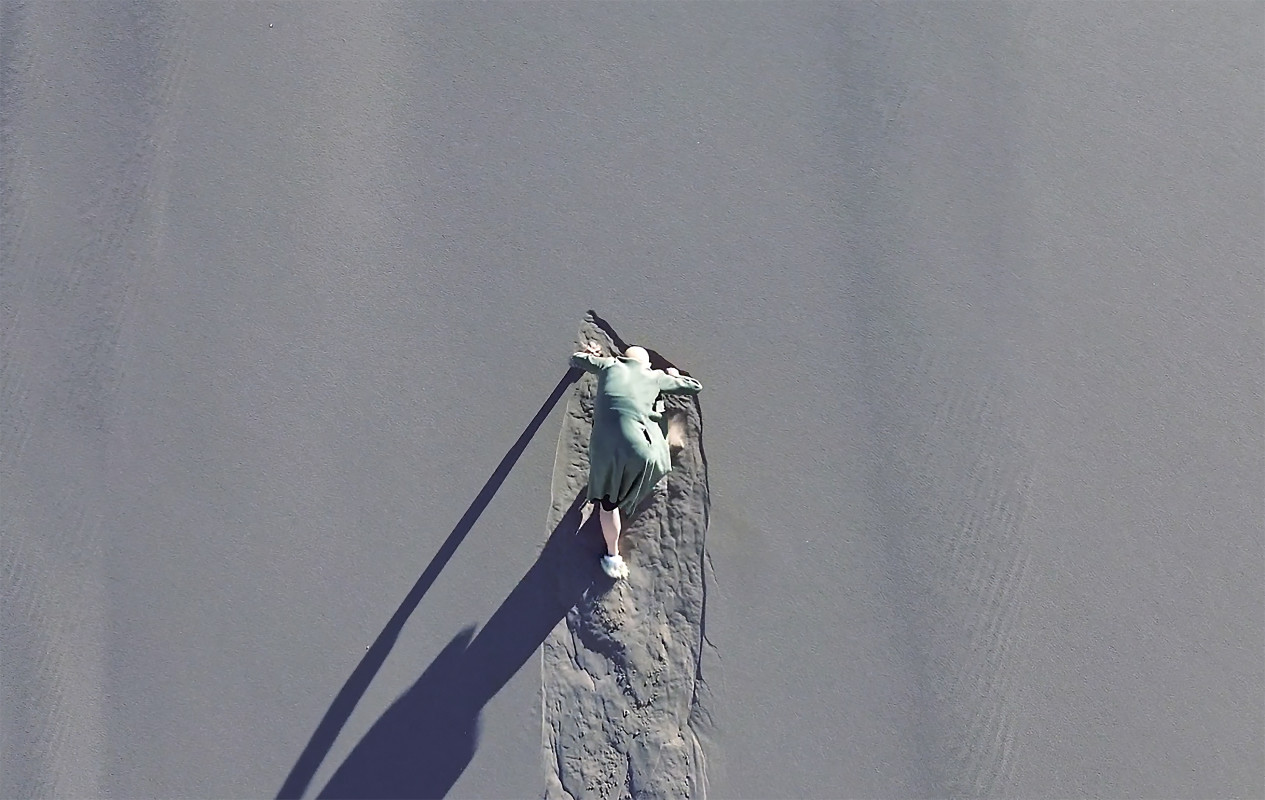
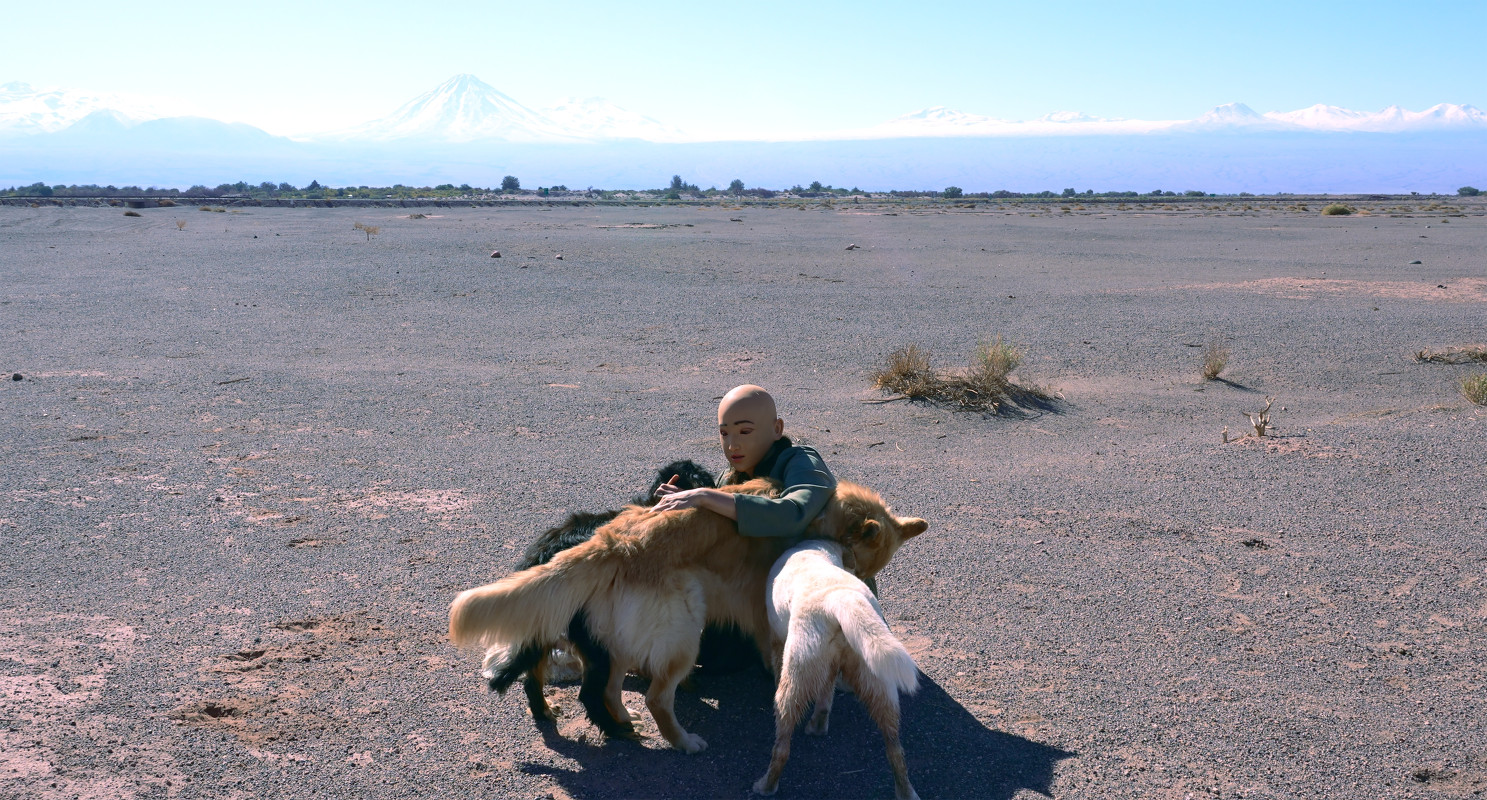
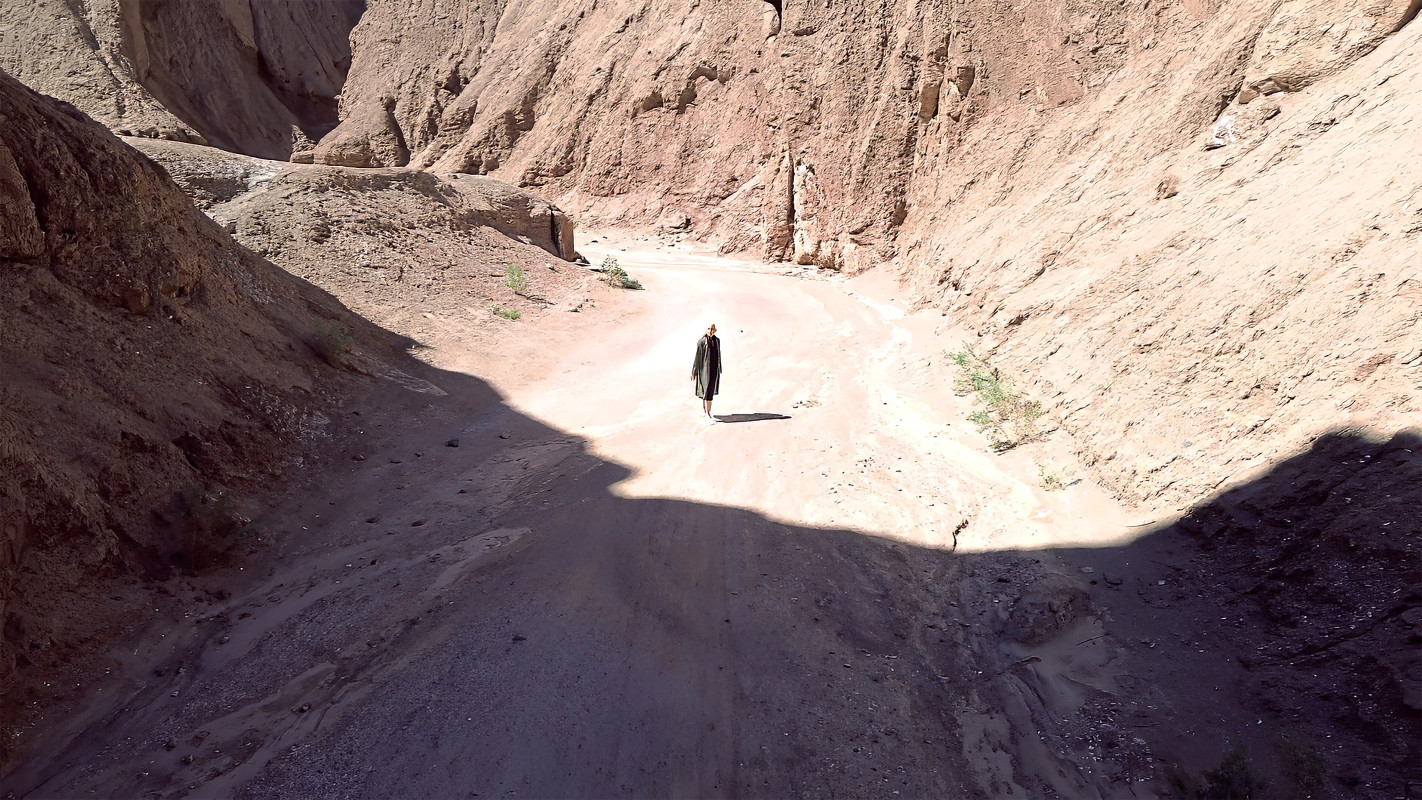
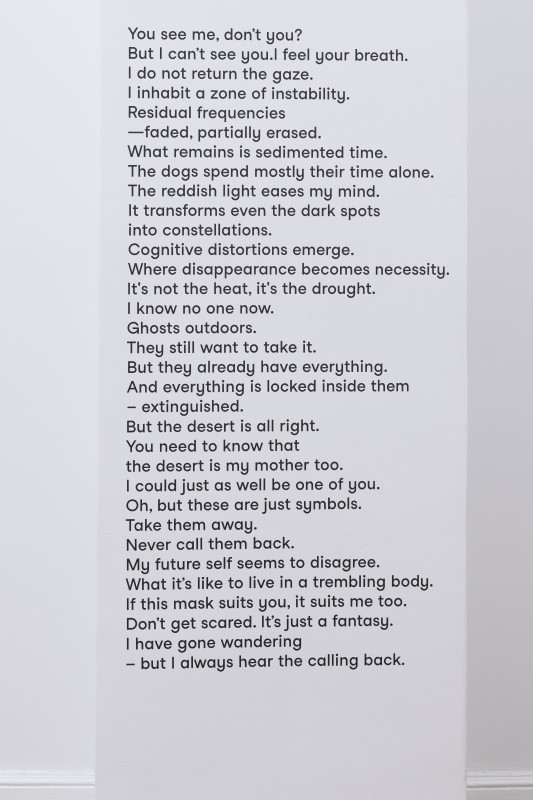
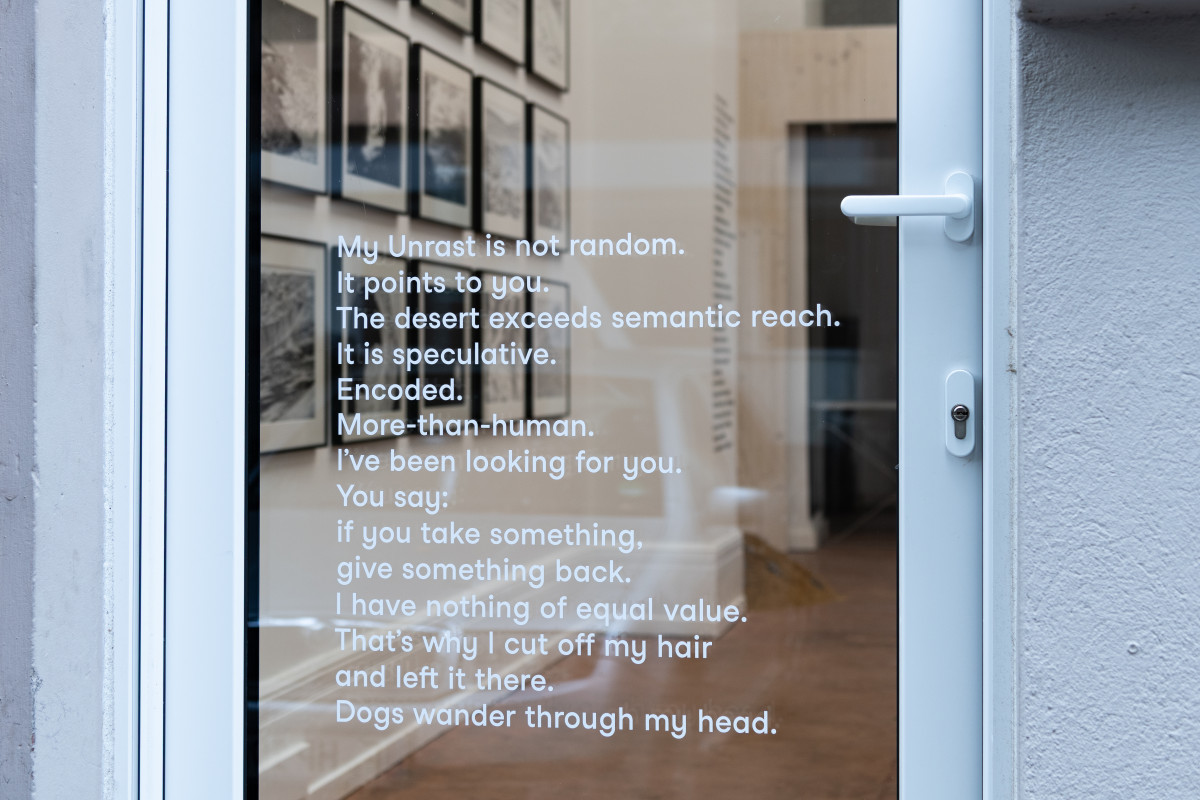
Die Videoarbeit verhandelt Fragen von Ressourcen und knüpft an ökofeministische Ansätze an, die Natur nicht als auszubeutende Ressource, sondern als gleichberechtigtes Gefüge begreifen. Der Mensch wird darin nicht als Zentrum gesetzt, sondern als Teil eines komplexen Ökosystems verstanden.Menschliches und Nicht-Menschliches stehen auf derselben Ebene und treten in Beziehung. Diese Dezentralisierung des Menschen bildet den konzeptuellen Kern der Arbeit. Die Videoperformance fungiert als erklärender Ausschnitt einer Kreatur, die als Charakter durch die Arbeit führt. Diese Kreatur spürt etwas, das sie weder sehen noch vollständig verstehen kann. Aus diesem Mangel an Erkenntnis entsteht eine sisyphosartige Suche. Immer wieder gerät die Kreatur dabei in rötliche Transformationszustände. Die Hunde erscheinen als Begleiter, Schwellenwesen und Vermittler zwischen Wahrnehmungsebenen. Die rötlichen Sequenzen verweisen auf die Fähigkeit von Hunden, UV-Licht und bestimmte Wellenlängen wahrzunehmen. Für den Menschen ist lediglich das sichtbare Licht erfassbar, nicht jedoch dessen Wellen. Die Kreatur tritt zunehmend in einen Dialog mit dem, was sich ihrem Verstehen entzieht. Dieser Dialog verschiebt sich von Kontrolle hin zu Akzeptanz und Koexistenz. Am Ende nimmt die Kreatur die Maske ab und gibt sich als die Künstlerin selbst zu erkennen. Die Figur steht damit sinnbildlich für einen westlich sozialisierten Menschen, der lernt, sich als Teil eines größeren, nicht vollständig begreifbaren Ganzen zu verstehen und unterzuordnen
Videoperformance
2025
4K, 8,56 Min
The video work negotiates questions of resources and aligns with ecofeminist approaches that understand nature not as an exploitable commodity, but as an interconnected and coequal assemblage. Within this framework, the human is no longer positioned at the center; instead, it is understood as one element within a complex ecosystem. The human and the non-human are placed on the same ontological level and enter into relations of interdependence. This decentralization of the human constitutes the conceptual core of the work. The video performance functions as an explanatory fragment of a creature that guides the narrative throughout the piece. This creature senses something it cannot see or fully comprehend. From this epistemic limitation emerges a Sisyphean search — a repeated striving toward understanding that never fully resolves. In the process, the creature repeatedly enters reddish states of transformation. These chromatic shifts signal transitions in perception and awareness. Dogs appear as companions, threshold beings, and mediators between different registers of perception. The reddish sequences reference the biological capacity of dogs to perceive ultraviolet light and certain wavelengths beyond human visual range. Whereas humans are limited to the visible spectrum, dogs experience a broader perceptual field. This difference becomes a metaphor for epistemological boundaries — for the limits of human knowledge and the existence of realities that exceed our sensory frameworks. Gradually, the creature enters into a dialogue with that which eludes its understanding. This dialogue shifts from a desire for control toward acceptance and coexistence. The narrative thus moves from dominance to relationality, from mastery to mutual presence. At the end of the work, the creature removes its mask and reveals itself as the artist. In doing so, the figure becomes emblematic of a Western-socialized human subject who learns to perceive itself not as the center of existence, but as part of a larger, incomprehensible whole — and to understand subordination not as loss, but as an ethical repositioning within a shared ecological reality.